Liturgical
And they devoted themselves to the apostles' teaching and the fellowship, to the breaking of bread and the prayers. (Acts 2:42)
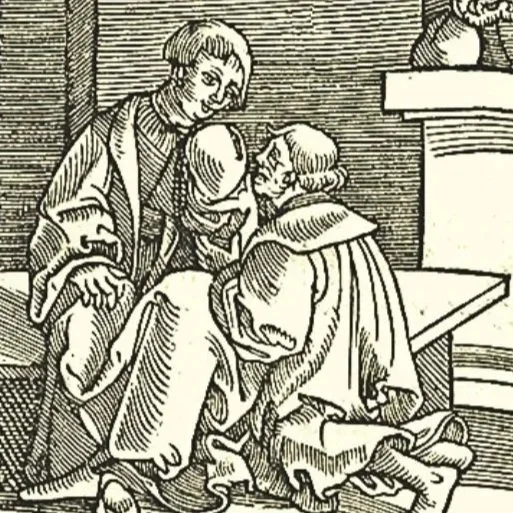
The Lutheran Church has always been a liturgical church, drawing on the best of the liturgical traditions that have come down to us from those who’ve gone before, while always ensuring that our worship proclaims the fullness of the gospel. The liturgy – the order that we follow – ensures that Jesus is at the centre, serving us as our Chief Liturgist and delivering His gifts to us week after week.
Our Confession
Confessional Statement Article 5: THE GOOD NEWS OF JESUS CHRIST
Lutheran Mission - Australia is built on the foundation of Christ and the Good News.
a. We proclaim a message of repentance and forgiveness in the name of Jesus.23
b. We confess that we must be justified by grace alone through faith alone in Christ alone.24
c. We trust in Christ’s atoning death and resurrection as both necessary and sufficient for our salvation from sin, death, and the devil.25
d. We are committed to sharing with others this Good News of forgiveness and salvation through Christ, and allowing it to predominate in our thoughts, words, and actions.
e. We regard God’s Law as holy and good,26 and as essential for the Christian life, since it:
a. reveals to us God’s will for us as his creatures; and
b. exposes our sin, and thereby reveals our need for Christ as our Saviour.
f. We reject all forms of self-justification as contrary to the Good News, including:
a. attempting to use God’s Law as a path to salvation;
b. perverting the Good News into a message of human good works;
c. replacing God’s Law with human laws through which we attempt to justify ourselves; and
d. suppressing or undermining God’s Law so that we can deny our sin, presume a false innocence, and thereby minimise or deny our need for repentance and forgiveness through Christ.
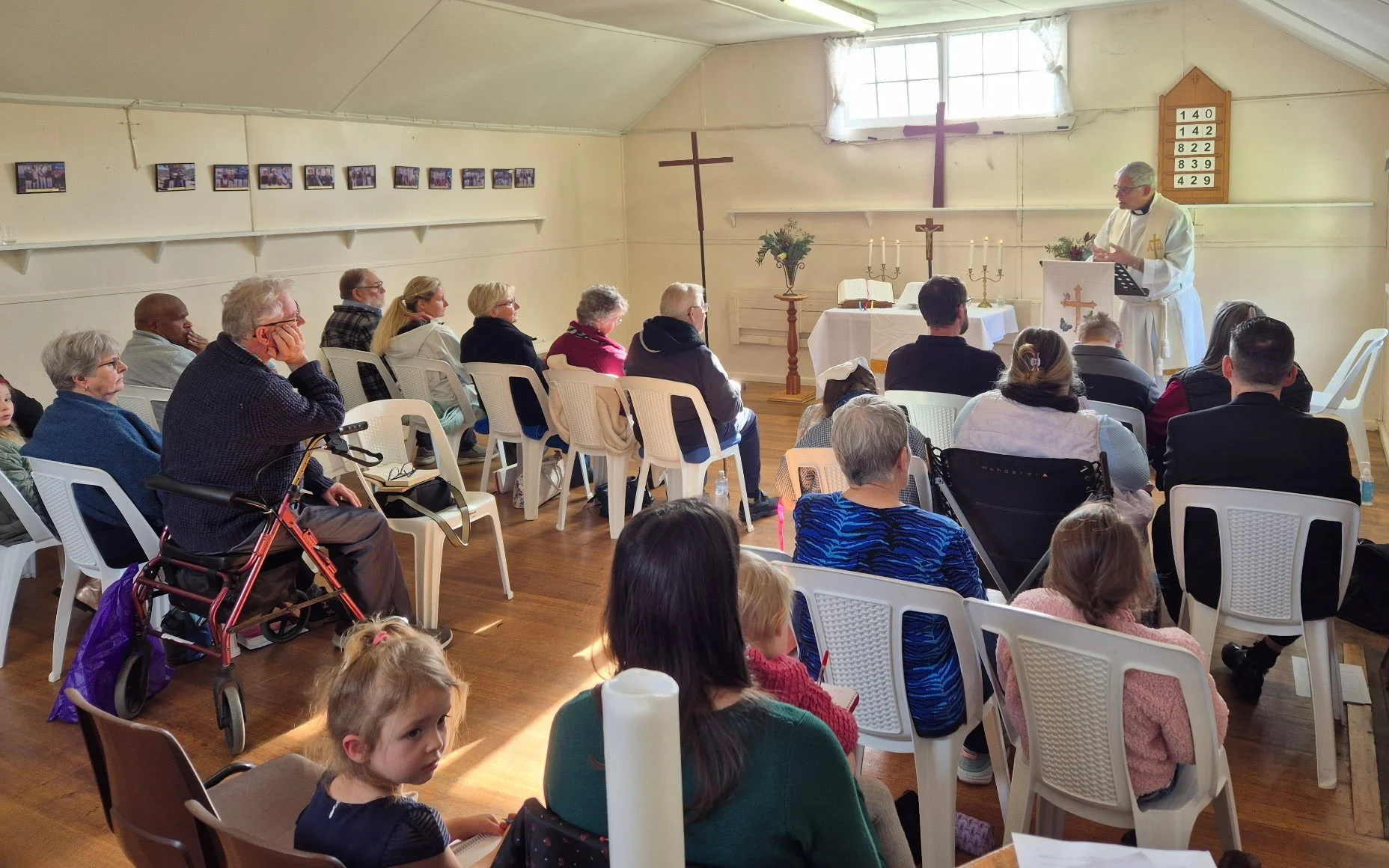
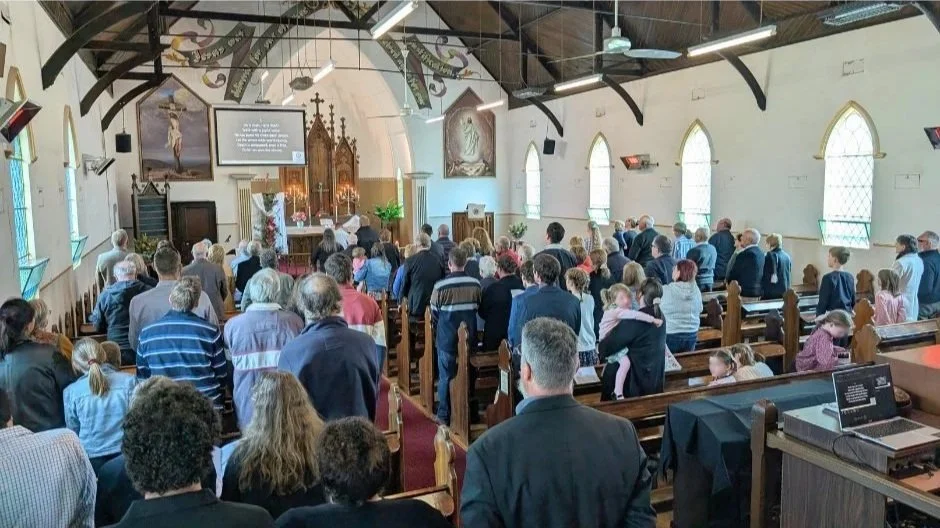
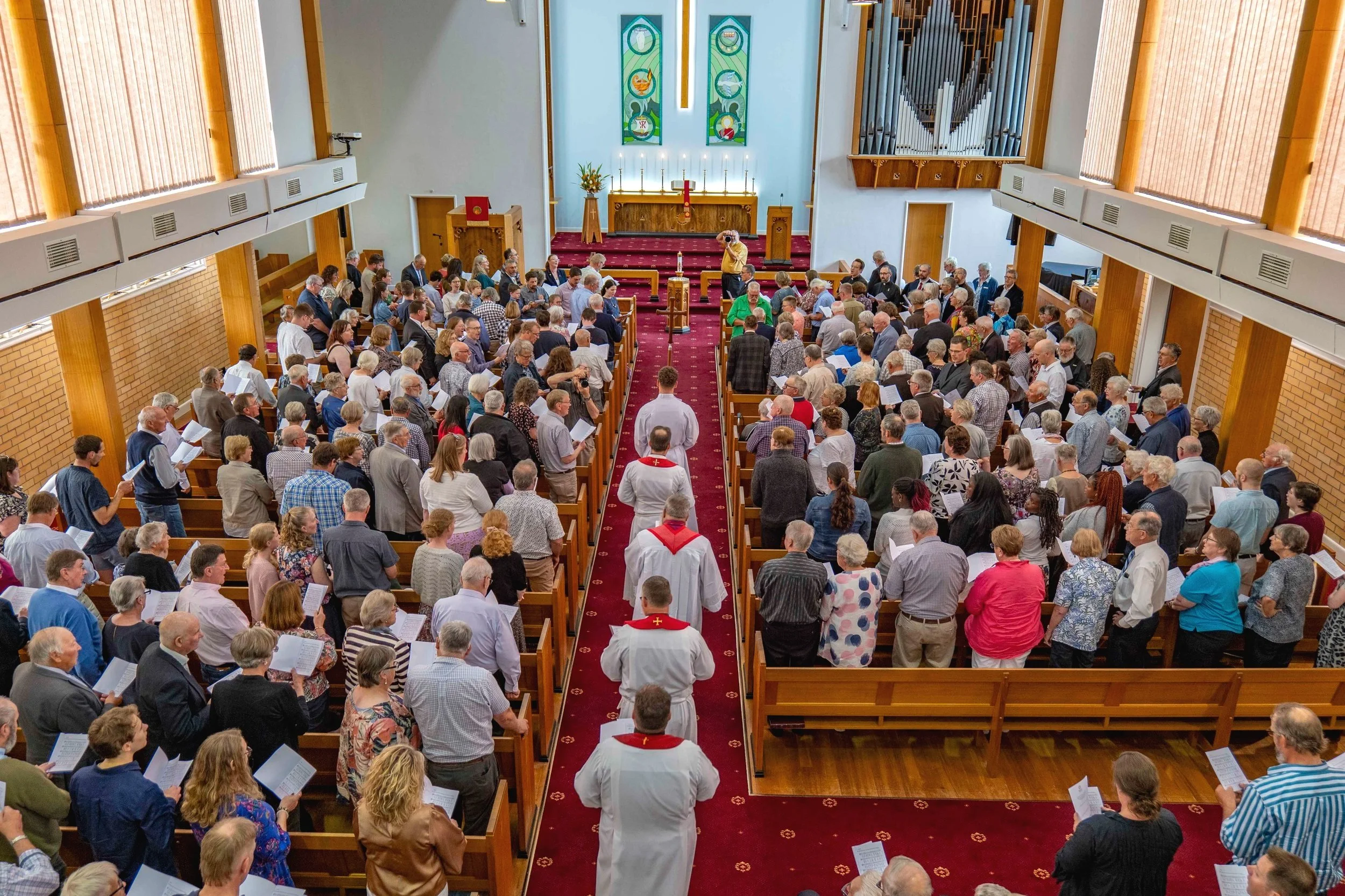
We would expect that all LM-A congregations should follow the same basic liturgical structure for the Divine Service which, in itself, proclaims Law and Gospel and delivers to God’s people all the gifts won for us in Jesus’ life, death and resurrection. This order is made up primarily of biblical texts which have been arranged to help us receive the fullness of God’s blessings to us in Christ, and its consistent use teaches us to pray and ‘hides’ God’s very Word in our hearts (https://witness.lcms.org/2024/liturgy-brings-order-to-our-disorder/).
Within this order there is scope for helpful variation and LM-A is not suggesting that every congregation adhere to the identical musical setting. Often parts can be moved around for emphasis, hymns/songs can be used in place of traditional texts, and parts omitted for various reasons. It is the shape of worship and what it communicates that is important here.
Whether the liturgy is spoken, chanted or sung, the elements we would expect you to see in a regular LM-A Divine Service include:
Invocation – Matthew 28:18-20
Confession and Absolution – 1 John 1:8-9; John 20:19-23
Kyrie – Lord have mercy – Mark 10:47
Hymn of Praise – Luke 2:14; John 1:29
Word of God and Sermon – Acts 2:42
Creed
Offering and Offertory – Ps 51:10-12
Prayer of the Church – 1 Timothy 2:1-4
Preface – 2 Timothy 4:22; Col 3:1; Ps 136
Sanctus – Holy, holy, holy – Isaiah 6:3; Matthew 21:9
Lord’s Prayer – Matthew 6:9-13
Words of Institution – Matt 27:26–28; Mk 14:22–24; Lk 22:19–20; 1 Cor 11:23–25
Agnus Dei (Lamb of God) – John 1:29
Distribution
Nunc Dimittis (Song of Simeon) – Luke 2:29-32
Benediction – Numbers 6:24-26
On this website