
Book Review: ‘Wonderfully Made: A Protestant Theology of the Body’ by Dr. John W. Kleinig
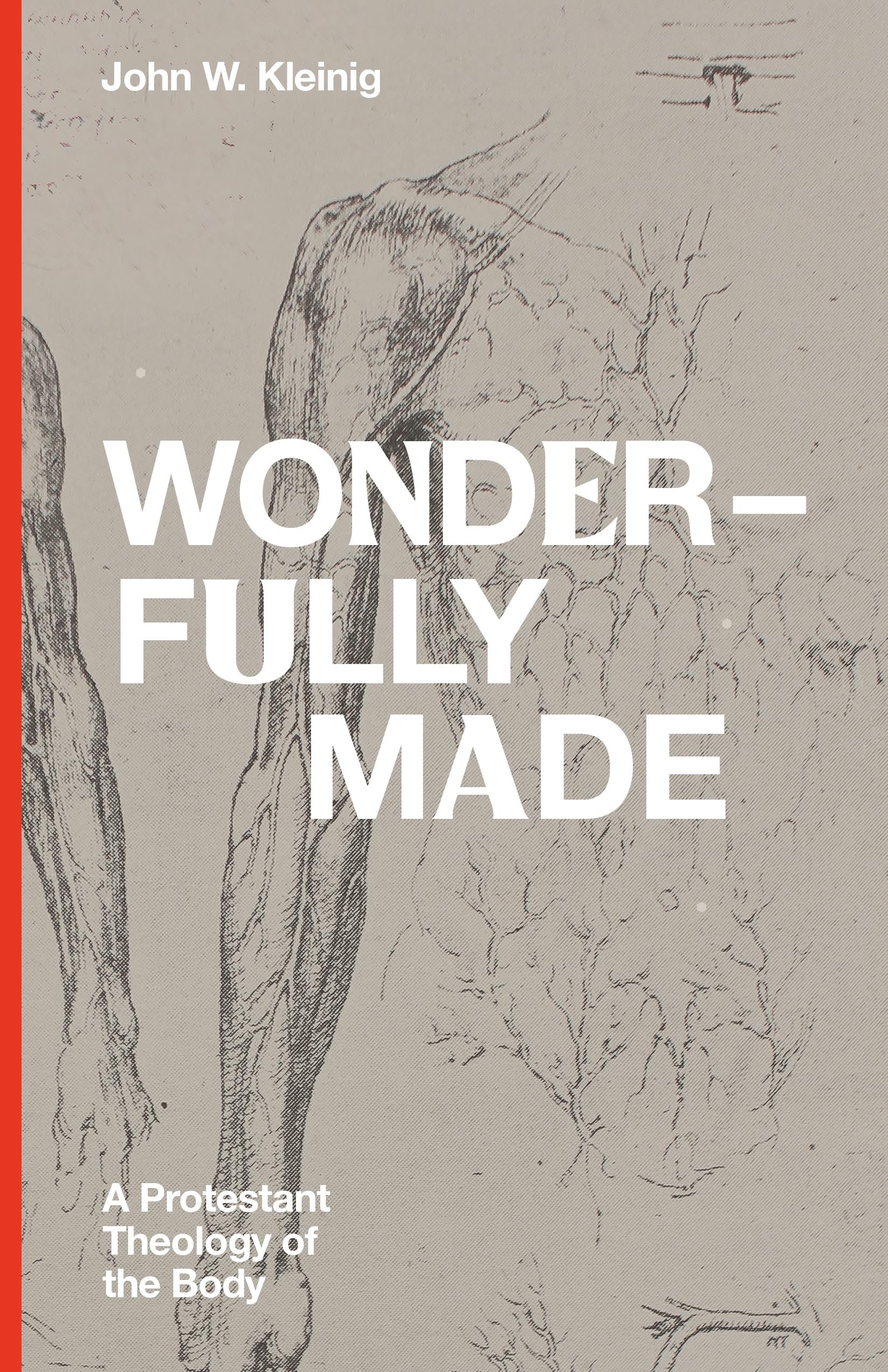
This review is the first in a series we will run over the coming months highlighting wonderful books which share God’s wisdom and the Lutheran Confessions.
We live in a culture that is deeply confused about the nature and importance of the human body. We treat our bodies therapeutically and can idolise them, but also despise or devalue them. We pour money and effort into maintaining and regulating our bodies and nervous systems, meanwhile engaging in acts that desecrate and harm them. People now experiment with their bodies to such an extent that they become almost unidentifiable, removing body parts or adding/augmenting them in pursuit of wellness and the desire to feel “right” or “whole”. Sex and procreation are at all-time lows; many people feel safer sitting in front of a screen and engaging with an AI chatbot or watching a video of a person they’ve never met on the other side of the world than they do asking someone on a date, let alone marrying them. And we are miserable. Anxiety, depression, and loneliness rates are through the roof. So how can we navigate this rapidly changing culture which both elevates and devalues the body?
In this timely book, John Kleinig turns our eyes and hearts back to Scripture to receive the truth, beauty, and goodness in God’s design for the human body. Kleinig encourages us not to curse the darkness that we see and experience in this world, but rather to be illuminated by Christ and His Word. In that sense, the book is not so much a reaction to culture as it is a foundational meditation on Scripture. Only Jesus can help us make sense of our bodies and desires. Only He can diagnose where we have gone wrong and cleanse us from the sins of our past – both those we have committed and those committed against us. Only he can show us how to flourish in and with our bodies, and to live meaningfully in this fallen world, in anticipation for the life to come.
Wonderfully Made: A Protestant Theology of the Body adopts a six-part structure, exploring: the created body, the redeemed body, the spiritual body, the sexual body, the spousal body and the living body through a biblical and liturgical lens. Kleinig masterfully unpacks God’s design for creation as male and female and how our bodies are made temples of the Holy Spirit, carrying a sacred purpose that is sustained through Word and Sacrament and brought to fruition at our bodily resurrection. He also provides a vivid exploration of the Song of Songs which depicts the vision for the married body as a garden for spousal enjoyment, meanwhile grappling with the mystery of our creation as singles/individuals and what that means for our lives today and in eternity. Woven through the book are helpful discussions on various contemporary issues confronting society today.
This book would be a refreshing and encouraging read for anyone, especially those who wish to unpack the treasures of the Scriptures on the body. It is also instructive for those who may be tempted by the slogans of the sexual revolution (“my body, my choice”) but remain open to exploring an alternate vision. Kleinig’s “rhapsody of the human body” helps us realise that we are all participating in something greater than our own desires and that our bodies really do matter in this life and the next. We are not just souls trapped in bodies, but ‘embodied spirits’ who have been made, redeemed, and called by God to receive and participate in His holiness. This positive and ‘theophanic’ vision Kleinig presents is not only true but beautiful, integrative, and life-giving.
Chelsea Pietsch